When we speak of organic farming, we need to realize it's not just a fad. It's something super serious and the future of farming and agriculture completely depends on it. Therefore it is important to know the real facts about it.
What is Organic Farming?
Organic farming is an agricultural system that uses ecologically based pest controls and biological fertilizers derived largely from animal and plant wastes and nitrogen-fixing cover crops. The principal guidelines for organic production are to use materials and practices that enhance the ecological balance of natural systems.
History of Organic Farming
The organic movement began in the early 20th century in response to the shift towards synthetic nitrogen fertilizers and pesticides in the early days of industrial agriculture.
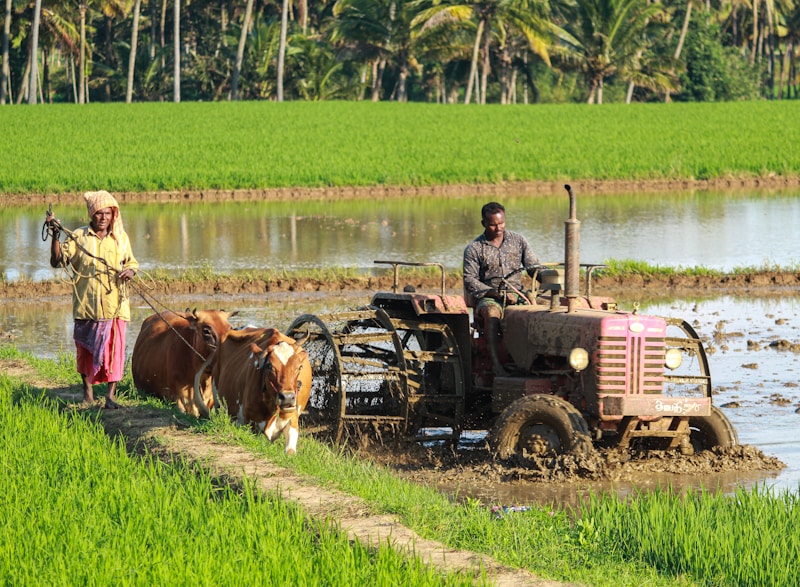
In India, organic farming has ancient roots. Traditional farming in India was inherently organic until the Green Revolution of the 1960s introduced chemical fertilizers and pesticides.
Benefits of Organic Farming
1. Environmental Benefits
- Reduces pollution in soil and water
- Conserves water
- Reduces soil erosion
- Increases soil fertility
- Uses less energy
2. Health Benefits
- No harmful chemical residues
- Higher nutritional value
- Better taste
- No GMOs
3. Economic Benefits
- Lower input costs over time
- Premium prices for organic produce
- Sustainable income for farmers
4. Social Benefits
- Safer working conditions for farmers
- Stronger rural communities
- Preservation of traditional knowledge
The Future of Organic Farming in India
India has tremendous potential for organic farming. With increasing awareness among consumers and government support through schemes like Paramparagat Krishi Vikas Yojana (PKVY), organic farming is set to grow significantly in the coming years.
At Farmizen, we believe organic farming is not just about growing food – it's about growing a sustainable future.