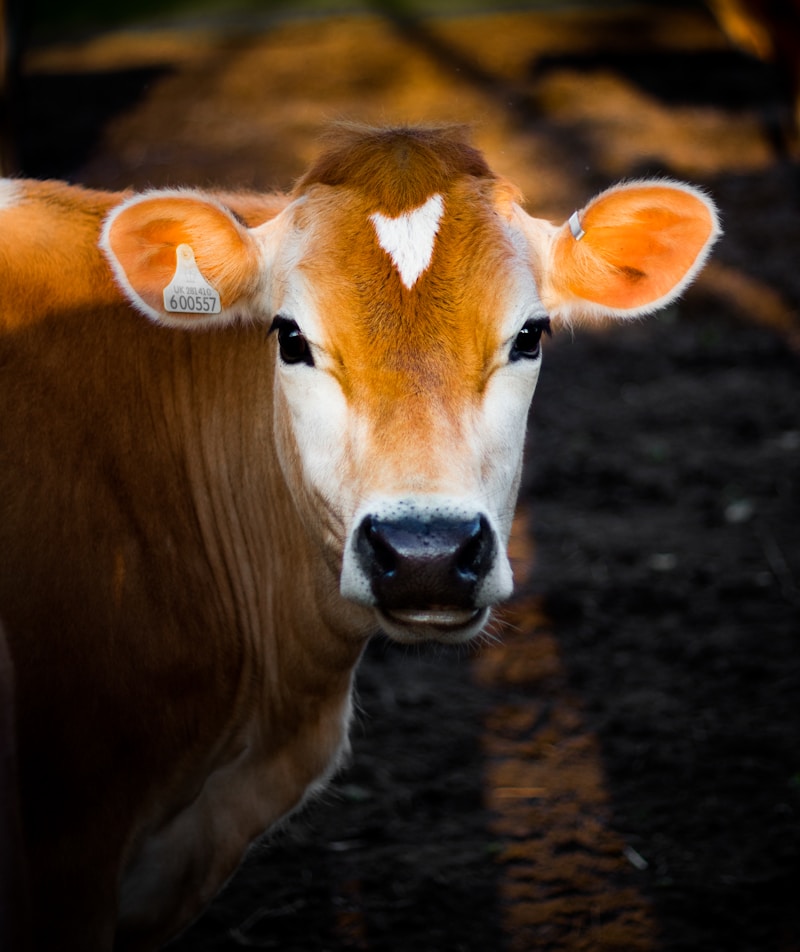
The Role of Livestock in Natural Farming
In natural farming, cattle are not just animals to be maintained—they are essential partners in the farming system. The dung and urine of indigenous cows form the basis of all major bio-formulations that make natural farming work.
Why Livestock is Essential
The Dung-Urine Foundation
Every key natural farming preparation requires cow dung and urine:
- Jeevamrit: The primary soil enrichment formula
- Beejamrit: Seed treatment solution
- Ghanjeevamrit: Solid bio-formulation for storage
- Panchagavya: Growth promoter
- Pest control preparations: Neemastra, Agniastra
The Power of Indigenous Breeds
Indigenous (desi) cow breeds are preferred because:
- Their dung contains higher microbial diversity
- Urine has greater beneficial properties
- They are adapted to local conditions
- They require less intensive management
One desi cow is sufficient for 30 acres of natural farming.
Benefits of Cattle Integration
Nutrient Cycling
Cattle close the nutrient loop on the farm:
- They consume crop residues and fodder
- They return nutrients through dung and urine
- This cycling reduces the need for external inputs
Carbon Conservation
When cattle graze Pre-Monsoon Dry Sowing (PMDS) crops:
- 90% less carbon is lost compared to tilling crops into soil
- Nutrients are efficiently processed through animals
- Biomass becomes high-quality manure
Additional Income
Cattle provide:
- Milk for household and sale
- Calves for breeding or sale
- Draft power for field operations
Setting Up for Livestock Integration
Cow Shed Modifications
To efficiently collect dung and urine:
- Create sloped floors that channel urine to collection tanks
- Set up separate collection for dung
- Ensure adequate shade and ventilation
- Provide clean water access
Fodder Planning
Include fodder crops in your farm plan:
- Border rows of fodder grasses
- Intercrop fodder legumes
- Use PMDS crops for grazing
- Maintain tree fodder (Gliricidia, Leucaena)
Storage Facilities
Set up for bio-formulation preparation:
- Large drums or tanks for Jeevamrit
- Covered space for fermentation
- Storage for dry Ghanjeevamrit
- Spraying equipment
Alternatives When Cattle Are Unavailable
Buffalo
Buffalo dung and urine can substitute for cow products, though indigenous cow is preferred.
Goats
Goat dung can be used in smaller quantities. Collect from local goat herds.
Community Gaushala
Many villages have community cow shelters. Farmers can source dung and urine from these facilities.
Sharing Arrangements
Neighboring farmers with cattle may provide dung and urine in exchange for fodder or other products.
Integration with Micro-Irrigation
Innovative farmers have developed systems to apply bio-formulations through irrigation:
- Collection tanks within gaushala
- Filtration chambers to remove solids
- Mixing systems for dilution
- Distribution through drip or flood irrigation
This reduces labor significantly while ensuring consistent application.
Water and Energy Savings
Studies from Andhra Pradesh show natural farming with livestock integration requires:
- 50-60% less water than conventional farming
- Significantly less electricity (reduced pumping for irrigation)
- Lower overall cultivation costs
Getting Started
- If you have cattle: Modify your setup for efficient collection
- If you don't: Arrange access through neighbors or community
- Plan fodder production: Integrate fodder into your cropping system
- Start bio-formulation preparation: Master Jeevamrit first
- Build gradually: One cow, well-managed, is enough for a large farm
The integration of livestock transforms natural farming from a set of techniques into a complete, cycling system. Animals provide the biological inputs that replace chemicals, while crops provide food for both humans and animals. This is farming as it was meant to be—interconnected, sustainable, and regenerative.