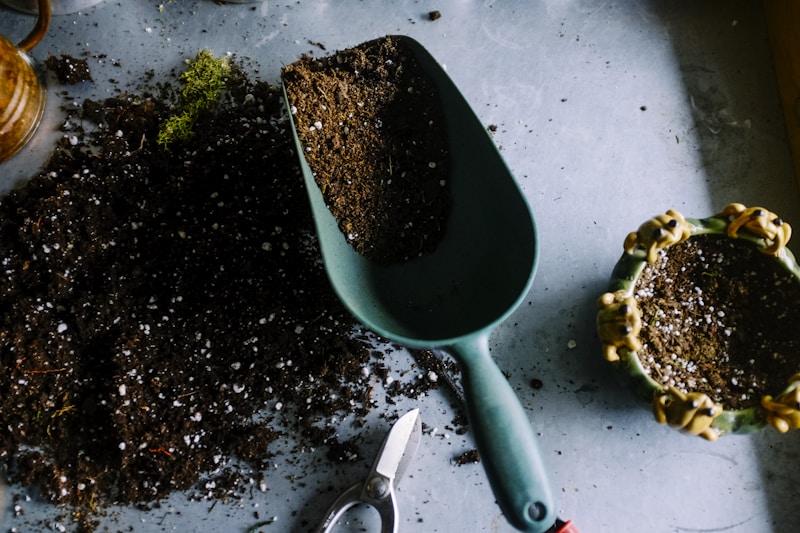
Why Soil Health Matters in Natural Farming
Soil is the foundation of all agriculture. In natural farming, healthy soil is not just important—it is everything. Understanding soil health helps explain why natural farming works and why conventional chemical farming often fails in the long run.
What is Soil Health?
Soil health is the capacity of soil to function as a living ecosystem that sustains plants, animals, and humans. A healthy soil:
- Retains and releases water and nutrients properly
- Promotes and sustains root growth
- Preserves habitat for soil organisms
- Responds positively to management
- Resists degradation
India's Diverse Soils
India has six major soil types, each with unique characteristics:
- Alluvial soil: High in phosphate and potash, found in river plains
- Red soil: High in iron and potassium, low in phosphate
- Black soil: High in potassium and magnesium, low in phosphorus
- Laterite soil: Acidic, found in high rainfall areas
- Arid soil: Sandy, found in desert regions
- Forest & mountain soil: Rich in organic matter
Present-Day Concerns
Nutrient Depletion
Intensive cropping with imbalanced fertilizer use has created severe nutrient deficiencies:
- 36.5% of Indian soils are zinc deficient
- 23.4% are boron deficient
- 12.8% are iron deficient
- 11.0% are molybdenum deficient
Indian soils are generally very low in organic matter content, the key indicator of soil health.
Chemical Overload
Fertilizer use has increased dramatically—from 12.4 kg/ha in 1969 to 137 kg/ha in 2021 (an 11-fold increase). Despite enormous amounts of agrochemicals, productivity increases are not proportionate.
Pesticide consumption keeps rising: 59,670 MT in 2018-19 to 63,284 MT in 2021-22. These chemicals persist in the soil, damaging beneficial microorganisms.
Water Crisis
- Per capita water availability has fallen from 5,178 m³/year (1951) to 1,544 m³/year (2011)
- Projected to fall to 1,140 m³/year by 2050
- Agriculture consumes 89% of groundwater
- Many regions are experiencing severe water stress
Farmer Distress
Conventional agriculture induces farmers to rely on synthetic inputs, resulting in high cultivation expenses. Many smallholders have become indebted from high input costs, lack of credit, and poor market access.
How Natural Farming Heals Soil
Natural farming addresses these concerns by:
Building Organic Matter: Through mulching, cover crops, and bio-formulations like Jeevamrit, natural farming steadily increases soil organic carbon.
Restoring Microbial Life: Without chemical pesticides, beneficial bacteria, fungi, and earthworms return to the soil. These organisms cycle nutrients, improve soil structure, and protect plants from diseases.
Improving Water Retention: Higher organic matter means better water-holding capacity. Natural farms often need 50-60% less irrigation than conventional farms.
Reducing Costs: By eliminating purchased chemical inputs, farmers break free from the debt cycle that traps so many.
Practical Steps for Farmers
- Stop bare soil: Always keep soil covered with mulch or living plants
- Apply Jeevamrit regularly: This bio-formulation feeds soil microbes
- Minimize tillage: Reduce soil disturbance to protect soil structure
- Diversify crops: Different root systems improve soil at different depths
- Integrate animals: Cow dung and urine are essential for soil enrichment
Soil health cannot be rebuilt overnight—it takes time and patience. But farmers who commit to these practices consistently report that their soil becomes softer, darker, and more alive within a few seasons. When soil health improves, everything else follows: better yields, healthier crops, lower costs, and more resilient farms.