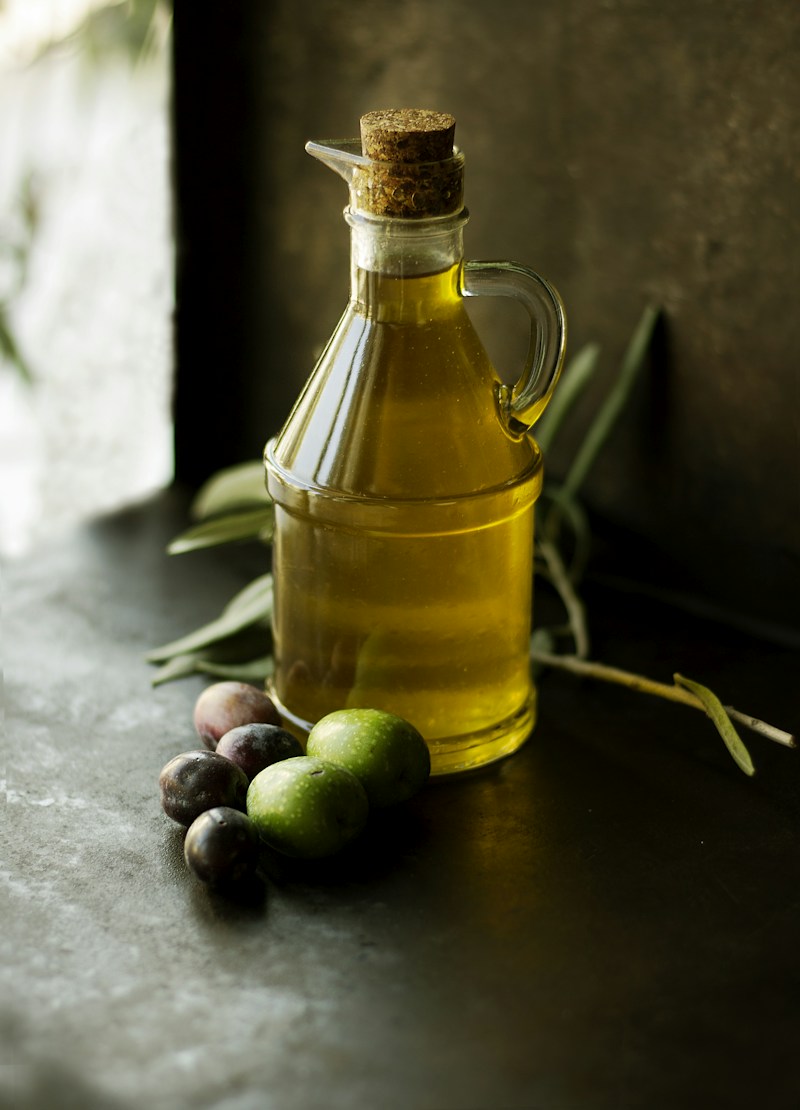
Unrefined oils are very popular today, whether we use them or not we hear about them all the time. Most areas in Bangalore will have shops with wood oil press units selling non refined oils under various tags like cold pressed and wood pressed.
In this blog let's dig around a bit into cooking oils and understand what makes a good oil.
Understanding Oil Processing
Refined Oils
- Extracted using chemical solvents
- Heated to high temperatures
- Bleached and deodorized
- Longer shelf life
- Neutral taste
- Lower nutrition
Unrefined Oils (Cold Pressed/Wood Pressed)
- Mechanically extracted
- No chemicals used
- Minimal heating
- Retains nutrients and flavor
- Shorter shelf life
- Natural color and taste
Choosing the Right Oil for Cooking
Smoke Point Matters
| Oil | Smoke Point | Best For |
|---|---|---|
| Coconut Oil | 177°C | Low-medium heat cooking |
| Groundnut Oil | 230°C | Deep frying, Indian cooking |
| Mustard Oil | 250°C | High heat cooking, tempering |
| Sesame Oil | 210°C | Medium heat, Asian cooking |
| Ghee | 250°C | High heat, frying |
Health Considerations
- Heart Health: Olive oil, groundnut oil
- High Heat Cooking: Groundnut, mustard, ghee
- Skin & Hair: Coconut oil
- Anti-inflammatory: Sesame oil
Traditional Oils by Region
- South India: Coconut, sesame, groundnut
- West India: Groundnut, coconut
- North India: Mustard, ghee
- East India: Mustard
Tips for Buying
- Buy from trusted sources
- Check for cold pressed/wood pressed labels
- Smell the oil – should have natural aroma
- Store in dark, cool place
- Use within 3-6 months
The Farmizen Recommendation
We partner with traditional oil mills that use wooden churners (ghani) to extract oil. This preserves nutrition and gives you the authentic taste of traditional cooking.
Order cold pressed oils from Farmizen partner farms!