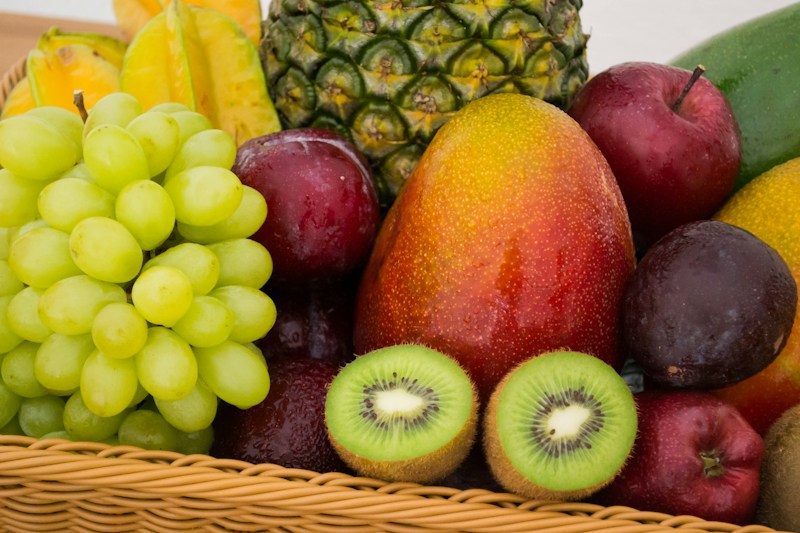
The joy of biting down on a perfectly ripened sweet fruit is one of the simple joys of life. But finding that perfectly ripened fruit is not easy.
We may thump, press, roll, smell and then choose the fruit on carts and supermarket shelves but once you take a bite you will realize it's bland and tasteless. Why is this happening?
The Problem with Modern Fruit Supply
Fruits are often picked unripe for practical reasons:
- Longer shelf life
- Easier transportation
- Reduced damage
- Better appearance
But unripe fruits need to be ripened before sale, and that's where artificial ripening comes in.
Common Artificial Ripening Methods
1. Calcium Carbide (CaC2)
Also known as "masala" in local markets, this is the most dangerous method. When calcium carbide comes in contact with moisture, it produces acetylene gas, which mimics ethylene and triggers ripening.
Health Risks:
- Contains traces of arsenic and phosphorus
- Can cause dizziness, seizures
- May cause memory loss
- Potential carcinogen
2. Ethylene Gas
This is the natural ripening hormone, but artificial application can be problematic when overused.
3. Ethephon
A chemical that releases ethylene. Commonly used on bananas and mangoes.
How to Identify Artificially Ripened Fruits
Mangoes
- Uniformly yellow color (natural mangoes have patches)
- No aroma
- Soft outside, hard inside
Bananas
- Bright yellow with green stalks
- No brown spots
- Tasteless
Tomatoes
- Uniform red color
- Hard texture
- No flavor
The Solution
- Buy from trusted sources - Farmers markets, organic stores
- Buy seasonal - Off-season fruits are more likely to be artificially ripened
- Look for imperfections - Natural fruits have spots and variations
- Trust your nose - Ripe fruits have a natural aroma
- Choose organic - Certified organic produce cannot use artificial ripening
At Farmizen, our partner farms only deliver naturally ripened produce. That's the Farmizen promise.